
Why We Chase the Unavailable and Feel Guilty About the Good Ones
Author: Sofia Pantazi, November 21, 2026 | Source: Sofia Pantazi
In the wise words of Ariana Grande, thank u, next. Except, sometimes, moving on is a lot easier to sing about than it is to actually do. We spend so much time wanting the people who don't want us back, only to feel terrible when we're the ones who no longer want to stay.
The ones we can't seem to have
There is something particularly frustrating about wanting someone who seems just out of reach. The person who takes hours to reply, whose intentions are never entirely clear, who gives you just enough attention to keep you interested but never quite enough to make you feel secure. You know the type. One day they're making you feel like the most interesting woman in the room; the next, you're analysing a three-word text message as though it contains the answers to your entire romantic future.
And somehow, the less available they become, the more space they occupy in your head. You find yourself wondering what they're doing, whether they're thinking about you, whether you said something wrong, or whether there's something you could do differently to make them finally choose you. It's exhausting, yet strangely difficult to walk away from.
Part of this can be explained by something psychologists call intermittent reinforcement: when attention and affection arrive unpredictably, the uncertainty can make us more invested in seeking the next moment of reassurance. In dating, that might look like someone being incredibly attentive one week and distant the next. Instead of recognising the inconsistency as a reason to lose interest, we sometimes become even more focused on getting back to the version of them we experienced at the beginning.
But perhaps the more uncomfortable question is whether we actually want the person, or whether we want the feeling of finally being wanted by them. Sometimes, the attraction becomes less about compatibility and more about validation. If someone who has been difficult to reach finally chooses us, it can feel like we've won something. The problem is that love should not feel like a competition in which we're constantly trying to prove we're worth picking.
Why the good ones don't always get a chance
Then there's the other side of the story: the person who actually likes us. The one who replies, makes plans, remembers the little things, communicates clearly and doesn't leave us wondering where we stand. On paper, he has everything we've said we wanted. And yet, for reasons we don't always understand, we don't feel the same excitement.
It's tempting to label this as being attracted to the wrong people, but the explanation isn't always that simple. Sometimes, we're so accustomed to uncertainty that consistency feels unfamiliar. When there is no guessing, no emotional rollercoaster and no need to decode someone's intentions, we can mistake the absence of anxiety for the absence of chemistry. We might even find ourselves wondering whether something is missing, when what is actually missing is the uncertainty we've come to associate with attraction.
Of course, this doesn't mean we should force ourselves to fall for someone simply because they're kind, available or objectively a good partner. Someone can be wonderful and still not be our person. Attraction cannot be negotiated, and compatibility is about more than a checklist of desirable qualities. But it is worth asking ourselves whether we're genuinely uninterested, or whether we're overlooking something healthy because it doesn't come with the familiar thrill of uncertainty.
The thrill of being chosen
There is a particular kind of satisfaction in being chosen by someone who initially seemed difficult to impress. It can make us feel attractive, interesting and, perhaps most importantly, validated. But when our interest depends on whether someone is giving us attention, we risk confusing the desire to be wanted with the desire to be with them.
This is where things become complicated. We might spend weeks trying to understand someone who is emotionally unavailable, while barely noticing the person who is showing up consistently. We tell ourselves that the first connection is special because it feels intense, but intensity isn't necessarily intimacy. Sometimes, what we call chemistry is simply anxiety dressed up as excitement.
And the irony is that we can become so preoccupied with getting someone to want us that we forget to ask whether we even want the relationship they're capable of offering. We weren't always chasing love. Sometimes, we were chasing reassurance.
When the tables turn: why do we feel guilty for leaving?
Now, let's reverse the situation. What happens when we're the ones who no longer want to continue? When someone genuinely likes us, sees a future with us and is willing to try, but we know in our hearts that we don't feel the same way. Suddenly, we're on the other side of the rejection, and it doesn't necessarily feel empowering.
Instead, we feel guilty. We replay the beginning, remember the affection, the effort, the conversations and all the things they did to make us feel special. We might even ask ourselves whether we led them on, whether we should have known sooner, or whether we're being unfair by walking away when someone is still willing to make it work.
There's a particular kind of guilt that comes with being the person who ends something with someone who still wants to stay. You know you're hurting them, and because you care about their feelings, you start questioning your own decision. Perhaps you should give it another chance. Perhaps the feelings will come back. Perhaps you're expecting too much. But none of these questions necessarily mean that leaving is the wrong choice.
Sometimes, we stay longer than we should because we don't want to be responsible for someone else's heartbreak. We confuse being compassionate with being obligated to reciprocate their feelings. And while it is important to take responsibility for how we treat people, we cannot take responsibility for making ourselves feel something that simply isn't there.
Are we responsible for the feelings we create?
There's a difference between hurting someone and deliberately leading them on. We should be honest about our intentions, communicate when something changes and avoid keeping someone around simply because we enjoy the attention. But we cannot always predict how deeply another person will fall for us, just as we cannot control when our own feelings disappear.
Perhaps we feel especially guilty because we've experienced the other side ourselves. We know what it feels like to wait for a message, to hope someone changes their mind, to wish that the person we want would just choose us. So when someone is doing exactly that with us, we recognise their disappointment. We know how much it hurts, and we don't want to become the person who causes it.
But someone's feelings for us do not automatically create an obligation to be with them. We can appreciate someone's love without being able to return it. We can recognise that they would make a wonderful partner and still know that we don't want that relationship. We can be someone's favourite person and still not want to be their partner.
And perhaps this is one of the hardest lessons in dating: being wanted is not the same as wanting someone back, and neither person is necessarily wrong for feeling differently.

So, why do we keep choosing the complicated option?
Maybe the real issue isn't that we consistently choose the wrong people. Maybe it's that we sometimes attach too much meaning to the feeling of being chosen, while struggling to accept that we cannot make ourselves choose someone simply because they choose us.
We chase the unavailable because we want the reassurance of finally being enough for someone who has made us question it. Then, when someone offers us that reassurance freely, we sometimes don't know what to do with it. And when we become the person who has to walk away, we feel guilty for not being able to give back what someone else is offering.
There is no simple formula for getting dating right. We shouldn't settle for someone just because they're available, nor should we romanticise someone just because they're difficult to reach. The point isn't to choose the person who wants us most. It's to find someone we genuinely want, who genuinely wants us back, without having to convince either person that they should.
Maybe that's the real meaning of thank u, next. Not rushing from one person to another, not pretending we never cared, and certainly not treating every disappointment as a lesson in how to become less vulnerable. It's recognising when something isn't right, allowing ourselves to leave without guilt, and learning not to mistake the struggle for love.
After all, why are we so busy trying to make the wrong person fall in love with us when we could be making room for someone we might actually fall in love with?
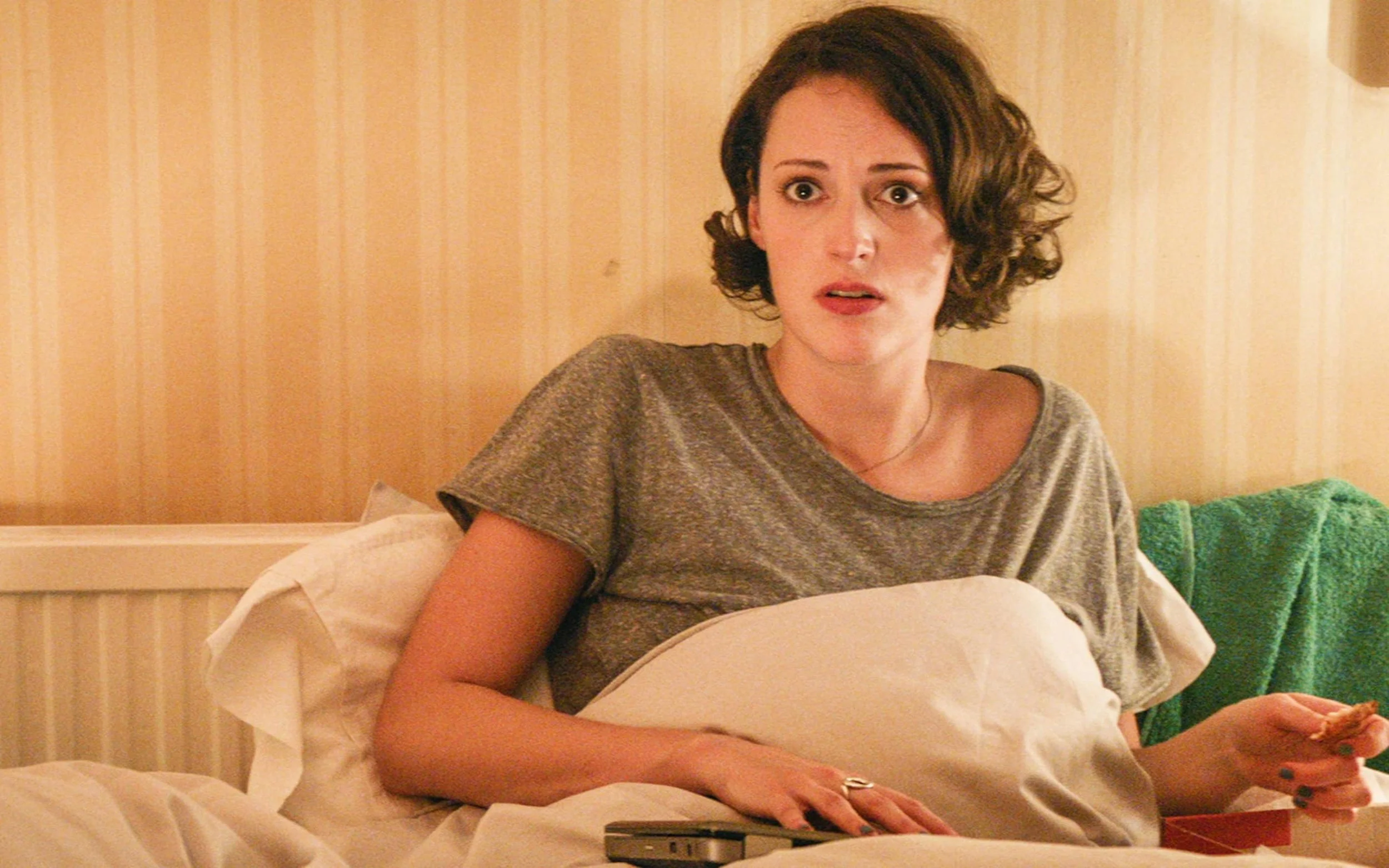
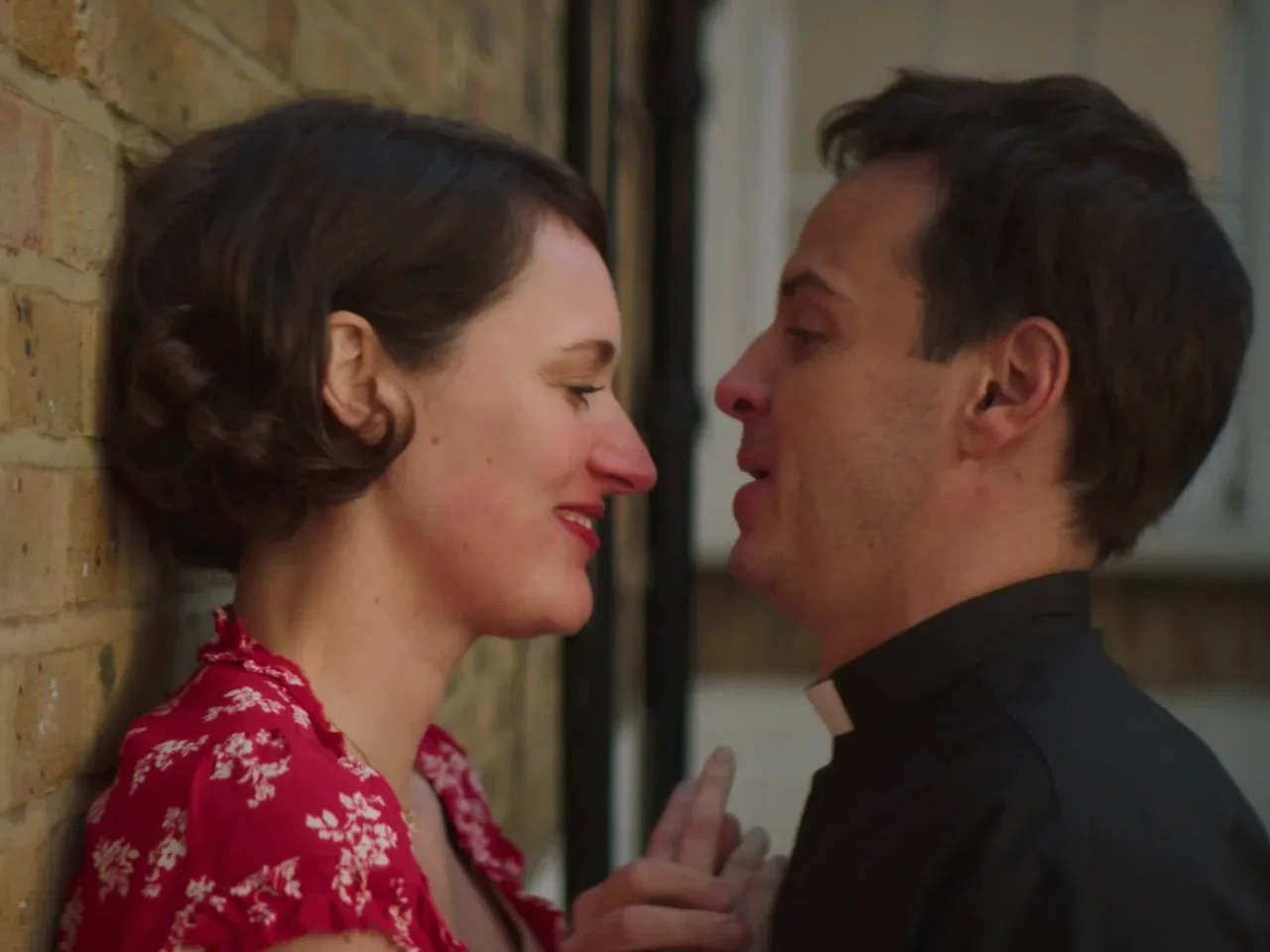
Featuring: Phoebe Waller-Bridge in “Fleabag”, 2016.